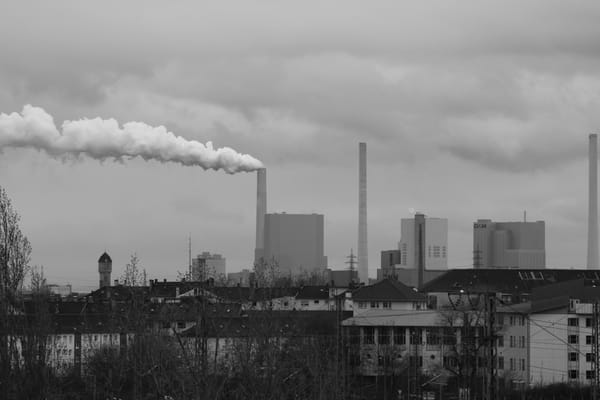
Pushing back on EU ETS myopia
For Europe's most influential lobby group, carbon pricing is a delicate balancing act


For Europe's most influential lobby group, carbon pricing is a delicate balancing act

Korean carbon price jumps 50% as government gets serious about climate, but AI clean energy conundrum awaits

Retracement, evolution, or revolution?
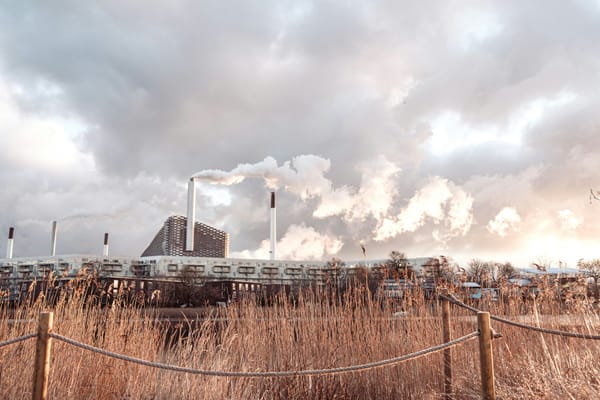
Industry compensation for indirect carbon costs must be conditional

Phasing out the Diesel Fuel Tax Credit to mining companies would be a good start

Last years crash in the New Zealand carbon price holds lessons for policymakers everywhere

UK carbon price down ~40% since mid-January

Europe set to leverage its carbon markets to boost investment in decarbonisation

Emerging economies struggle to balance climate finance and carbon sovereignty

EUAs caught in cross-commodity liquidation
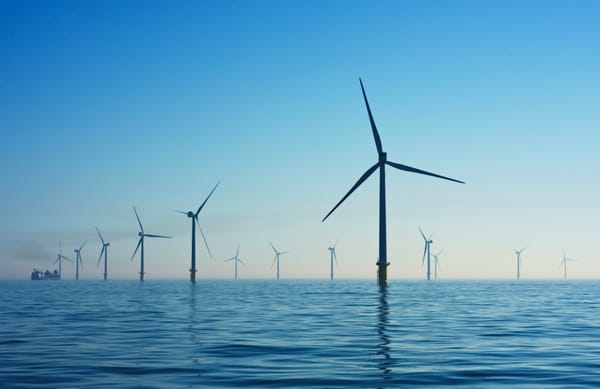
Europe imports more than half of the energy it needs, making it vulnerable to geopolitical and economic coercion – whether by friend or foe. Europe's precarious position could get even worse if it fails to act. If the EU fulfils all of its signed LNG supply deals and fail
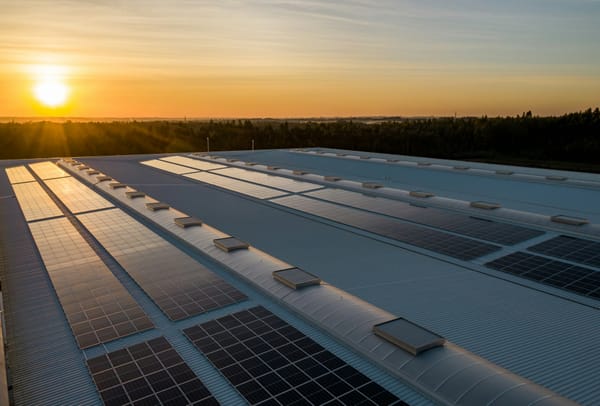
The marginal abatement cost (MAC) curve has been an important tool for climate tech investors, carbon market traders, and policymakers. Sloping upwards from left to right, the MAC curve gradually steepens as additional tonnes of emissions get increasingly more difficult, and hence more costly, to abate. The marginal abatement cost,