Trading hazes

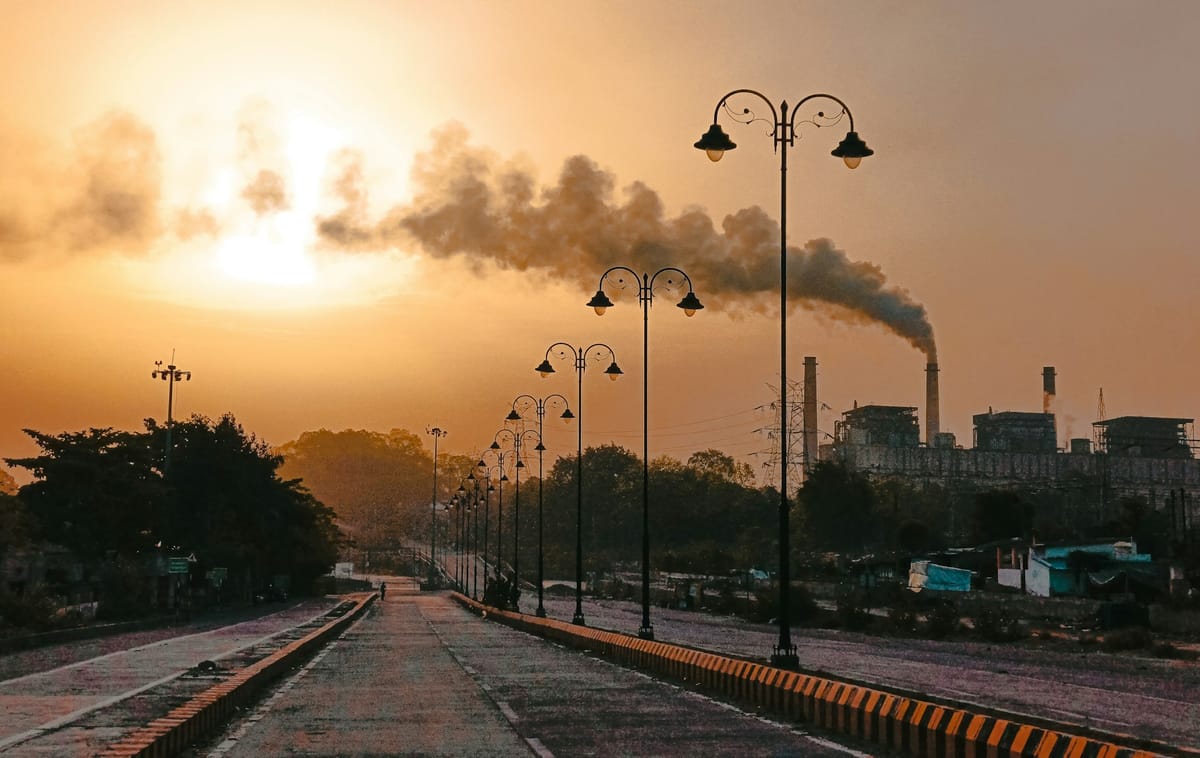
Commuters in New Delhi, the capital of India, coughed and spluttered through the worst air pollution in nearly a decade this winter, the smog hanging deeply over the crowded city streets.
The city's air quality index was more than six times acceptable levels for 53 days during November and December. The illegal burning of crop residue by farmers, combined with fumes from traffic jams, air pollution from factories (many of which are powered by coal), as well as dust from construction activity contributed to the toxic soup.
The wider State of Delhi has the highest annual pollution levels in India with an annual mean PM2.5 concentration of 101 µg/m³, according to analysis by the Centre for Research on Energy and Clean Air (CREA). That's 2.5 times the Indian standard and 20 times the World Health Organisation's (WHO) guideline. Even the 'cleanest' state in India has air pollution levels 5 times the WHO's recommended limit.
Long-term exposure to PM2.5 (fine particles measuring 2.5 micrometres across or less) increases the risk of health problems such as heart disease and asthma and is linked to an estimated 1.5 million premature deaths in India alone.
Chronic air pollution illustrate the challenge that India, and many other less developed countries face when trying to rapidly lift people out of poverty by relying on burning coal, while being without the institutional capacity to ensure that pollution regulations are adhered to.
Perhaps there's another way: leveraging environmental markets to achieve improvements in air pollution that strict command-and-control regulations alone can't achieve. One such example comes from the State of Gujarat, located in western India, where the annual mean PM2.5 concentration is 47 µg/m³. Here the state government has pioneered the world’s first emissions trading scheme for airborne particulate matter.
Read the rest of this article with a 30-day free trial*
*and get access to the entire archive!