Newsletter
To intervene or not to intervene
An update on the UK carbon market

Newsletter
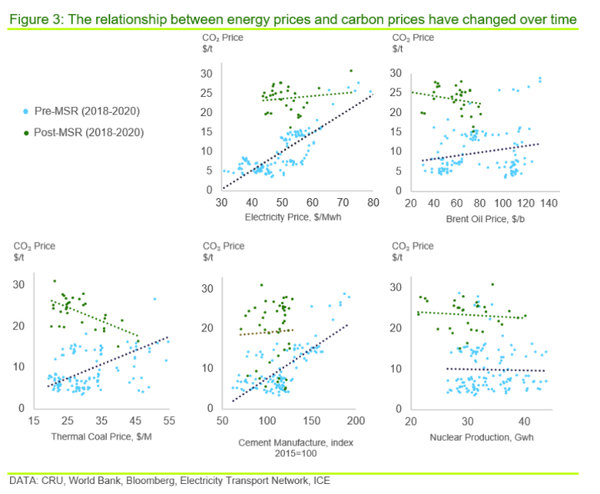
An update on the UK carbon market
Newsletter
What EDF's woes mean for carbon prices
Newsletter
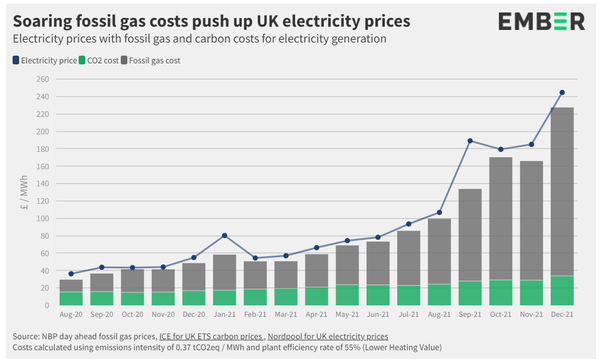
Since the beginning of November 2021, a small proportion (~4.8%) of the capital invested in the KRBN Global Carbon Strategy ETF is allocated to the UK carbon market. That’s one reason for investors to pay attention to UK carbon prices. The other reason is the insights it can
Newsletter
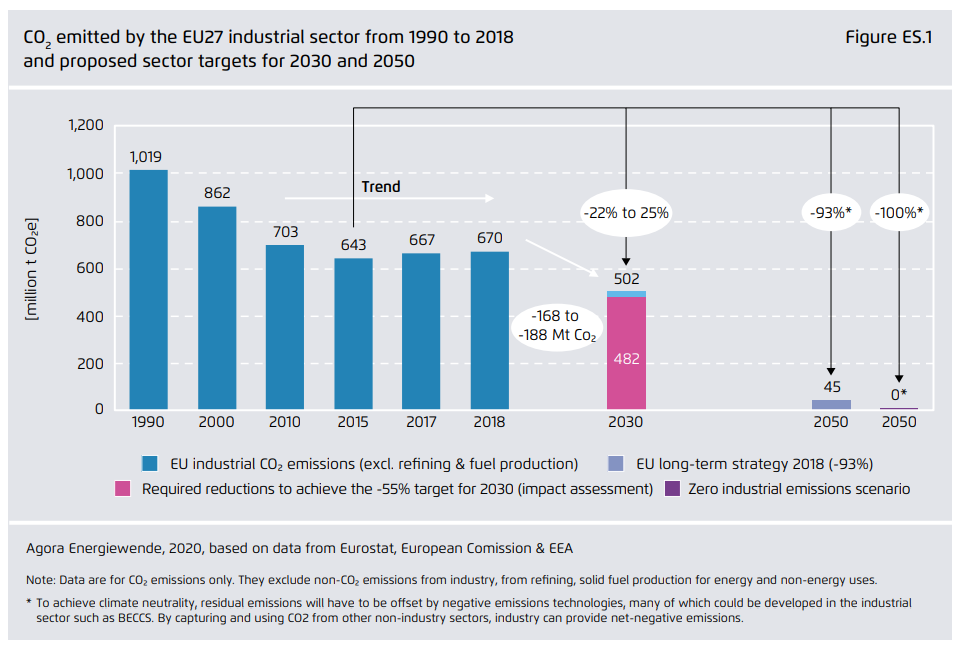
Clearing the industrial decarbonisation bottleneck will require significantly higher carbon prices

Newsletter
The Dec-2022 EU carbon futures contract is now back below the key €80 per tonne level. Carbon is back to where it was two weeks ago. On the face of it that doesn’t sound like much to worry about. But delve deeper and the carbon market might be set
Newsletter
Carbon markets are just the start of a revolution putting a price on nature. Whether its the deforestation of our rainforests, the leakage of waste plastics into the ocean, or the destruction of the coral reefs by pollution, the damage being done to our natural ecosystem is becoming clearer by
Newsletter
In a speech last weekend, European Central Bank economist Isabel Schnabel outlined that while the zero carbon energy transition is necessary, it is likely to prove inflationary, and price increases will be far from transitory. Schnabel words were little surprise to many energy and commodity market veterans. Industry analysts have
Newsletter
This week, one of Germany’s biggest utilities was forced to seek €10bn in financing to avoid a cash crunch in the wake of surging energy costs. The utility company, Uniper is in the fortunate position that its majority shareholder, Finnish power company Fortum, is owned by the Finnish state.
Newsletter
The price of carbon is ultimately determined by the intersection between the demand and supply of allowances. However, underpinning this is the role that expectations play. Carbon markets - in particular since they are a political construct - ultimately stand or fall on the confidence of market participants in the
Newsletter
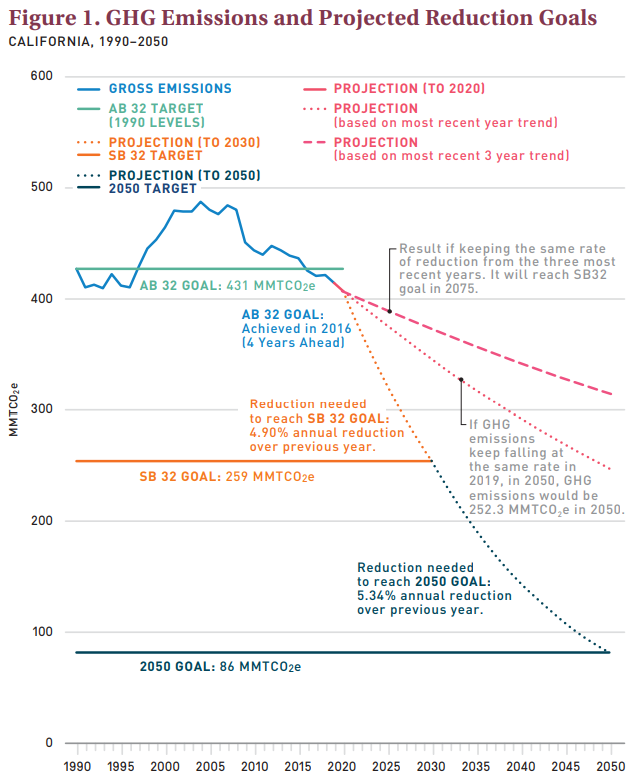
California is not cutting greenhouse gas emissions fast enough to meet its self-imposed 2030 target. In particular, the state faces the trilemma of balancing expanding intermittent renewable energy generation, ensuring adequate energy supplies, and the risk of blackouts as its fragile power grid is buffeted by natural disasters. As long
Newsletter
At the edge of the carbon market risk curve you will find the voluntary carbon market (VCM). Up until this point I have only discussed carbon markets from the perspective of the formal carbon compliance markets, such as the ones active in Europe and California. Regulated. Legal. Transparent. The rules
Newsletter