Distilled distress
Europe's transition to low-carbon refineries needs carbon pricing, CBAM, and 'Cap-and-Invest'

Welcome to Carbon Risk — helping investors navigate 'The Currency of Decarbonisation'! 🏭.
Carbon Risk contributes 1% of its revenue to Stripe Climate, helping to scale permanent carbon removal technologies. Thankyou to all the subscribers that support Carbon Risk.
If you enjoy this article please share it with someone and check out the Table of Contents for more insights.
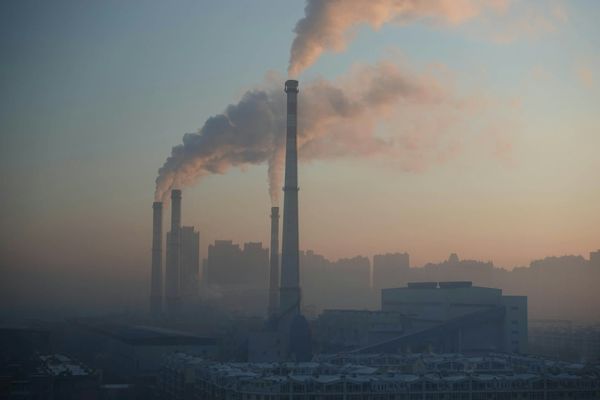
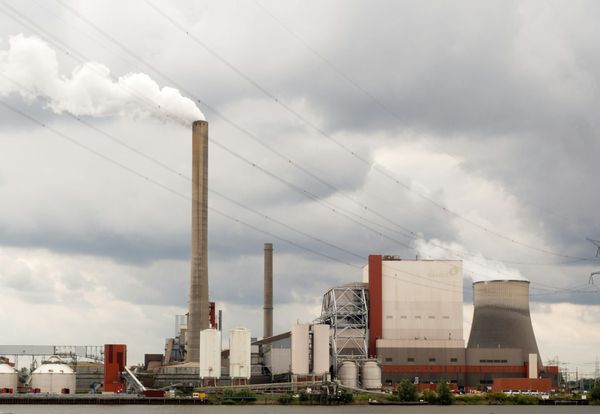
In 2000 Europe's refineries had an operating capacity of almost 14 million barrels per day. Today its closer to 11 million barrels. Over the next decade its forecast to shrink by 20% to just over 9 million barrels per day, according to S&P Global Energy as many more refineries see the writing on the wall.
There are several factors behind the decline: a structural decline in oil demand at least among Europe's largest economies (energy efficiency measures, climate policies and electrification, etc.), rising energy prices that have squeezed refining margins, increasing compliance carbon costs, aging infrastructure (assets are typically more than 40 years old), the rising cost of labour, and competition from imported refined oil product from refineries in Africa and Asia.
As one refinery closes down, product margins receive a welcome albeit short-term boost. That gives some breathing space to those facilities still operating. It's not enough to prevent the next most inefficient refinery on the marginal cost curve from going under. The long-term structural forces are too powerful.
Right now refineries are enjoying high product prices due to the US conflict with Iran, a benefit for Europe's last remaining refineries, but that is also increasing the call on imports. For example, refining margins for diesel in Europe recently spiked above $100 per barrel for the first time. A 90,000 tonne shipment of diesel from South Korea is reportedly due to travel more than 19,000 kilometres to take advantage.
The latest energy crisis is pushing governments towards short-term fixes that alleviate the worst impacts on the cost of living, and (giving the appearing at least) of protecting the country's energy security. Europe's move to curb zero emission vehicle mandate targets for example extends the expected lifespan of a refinery. A far better option would be to accelerate the electrification of transportation, slashing Europe's dependence on imports of oil and refined oil products (see Electric avenue: Europe set to outline its path to electrification and energy security).
In the long-term chopping and changing policy based on the latest populist whim is the last thing we need. Refineries need long-term policy certainty, not constant flux. Aging refineries that cannot be repurposed for a low carbon future (more on that opportunity later) should be left to retire. Bailing out the oldest, most inefficient refineries may seem politically expedient right now, but it will only make them less competitive in the future, and do nothing to allay their fate.
The UK has seen two oil refineries close in the past two years: Grangemouth shut in April 2025, followed by Lindsey four months later. That leaves four refineries (Fawley, Humber, Pembroke and Stanlow) which combined can cover around 85% of the country's domestic consumption of refined products. Although the UK is broadly self sufficient in petrol (gasoline), it is heavily reliant on imports of diesel and kerosene (accounting for ~2.5 to 3 times domestic production).
In October 2026, the chairman of Exxon UK Paul Greenwood (the oil major who owns the Fawley refinery), warned that all of the UK's refineries will close down “if you continue to have increasing carbon costs and your competitors don’t.” Overall, the UK's refining industry shelled out £200 million (€233 million) on carbon compliance costs in 2024, according to the lobby group Fuels Industry UK. Greenwood indicated that Fawley's UK carbon compliance costs are set to almost double to £150 million by 2030.
As we'll see, refineries sit in an uncomfortable place at a fulcrum of the energy transition. A legacy of the fossil-fuel combustion age, their assets risk being stranded. At the same time, as the economy pivots towards low-carbon hydrogen and sustainable fuels, refineries will become more important than ever. Should every polluter pay, even when so much is expected from them? Is the price of carbon really the culprit its been made out to be in their recent travails? Lets dive in.