Article 6 and the EU ETS, lessons from Japan

Welcome to Carbon Risk — helping investors navigate 'The Currency of Decarbonisation'! 🏭.
Europe's policymakers are now reckoning with how to reform the EU ETS: to ensure that it remains politically viable, economically sustainable, and most importantly, retain its social license to operate.
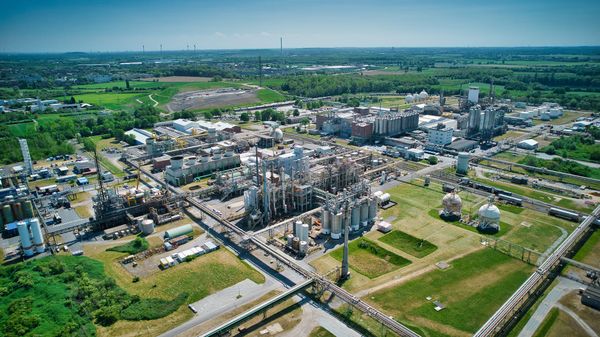
The EU ETS imposes a cap on the emissions of obligated sectors within Europe's territorial boundaries. But as emissions from the power sector have fallen sharply over the past 20 years, attention now centres on industry and aviation.
Here though the marginal abatement cost is much higher, the barriers to decarbonisation much more difficult to overcome, and the timeline to realising the gains much longer. While there's much work to be done if its to continue to be a climate leader, Europe clearly cannot carry on as it is and expect the EU ETS to retain its social license.
One option to relieve the pressure is to enable a greater share of the burden to be taken though Article 6 compliant international carbon credits.
Remember, it really doesn't matter where the emission abatement takes place, only that it does. A tonne of CO2 emitted has the same consequences for the atmosphere whether it occurs in Amsterdam or Addis Ababa, Zurich or Zanzibar.
It's no use if the EU ETS helps to kill off industrial activity in Europe, only for those same emissions (or perhaps even worse) to resurface somewhere else in the world – that really would be a Pyrrhic victory.
There's an increasing role for Article 6 carbon credits to be at the heart of Europe's climate policy. The move has already started, but it's progressing far too slowly, and Europe is being too cautious in extending its influence to the cornerstone of the blocs climate policy, the EU ETS.