Newsletter
The first signs of carbon credit nationalism?
Why are the Indonesian and Papua New Guinea carbon credit markets on hold?

Newsletter
Why are the Indonesian and Papua New Guinea carbon credit markets on hold?
Newsletter
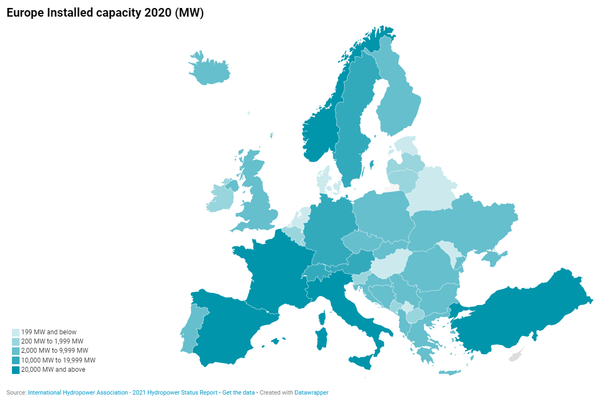
Why carbon market investors need to keep an eye on Europe's drought
Newsletter
The lumpy, unpredictable nature of climate change and the transition towards zero carbon is likely to mean that inflation will be higher, and more volatile in the future. Much of this inflationary pressure relates to the impact that climate shocks have on the supply of essential commodities, especially agricultural and
Newsletter
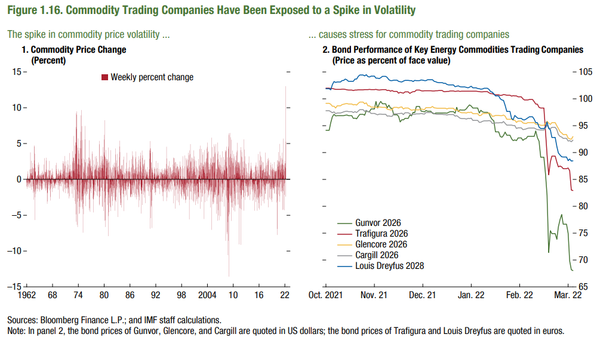
Commodity trading houses have always been prone to liquidity mismatches during times of stress. Physical commodities may take months to transport to the end user, while margin calls on futures contracts must be met immediately. Russia’s invasion of Ukraine sparked the latest episode in a long history of managing
Newsletter
What can investors learn from the collapse of the Australian carbon market?
Newsletter
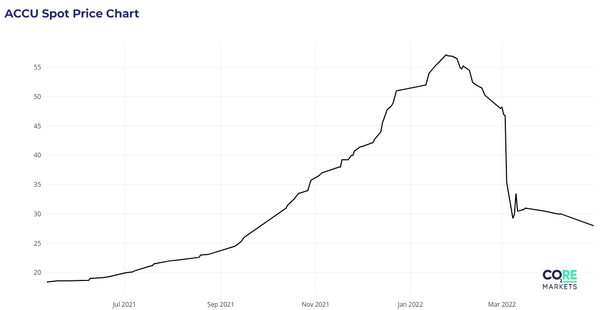
The carbon price is the currency of decarbonisation. A strong carbon price is a signal that investors, businesspeople and citizens trust their government’s commitment to combat climate change. In the same way that trust in individual currencies supports investment, innovation and trade, trust in an economy’s carbon market
Newsletter
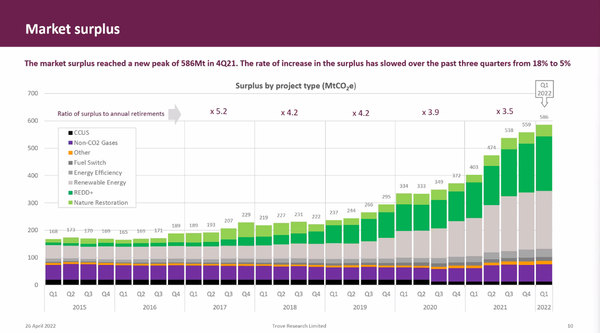
The voluntary carbon market (VCM) is expected to increase 9-fold by 2030 to around 900 MtCO2e. But what’s the best way to play the VCM market opportunity? One option is to invest in the project developers, leveraging the growth in carbon tonnages and the potential increase in the price
Newsletter
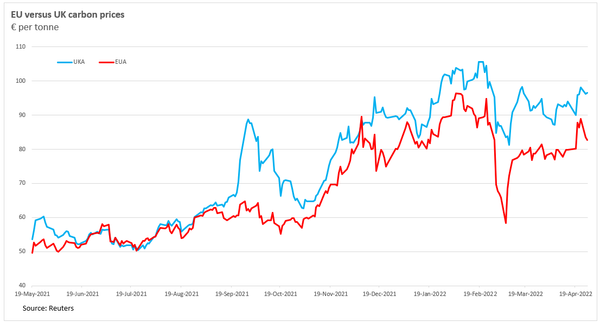
The UK carbon market continues to trade at a hefty premium compared with the EU. Four factors are contributing to the high price of carbon in the UK: lower natural gas prices versus the continent, greater political support for businesses suffering from high energy costs, increased speculative interest from hedge
Newsletter
How carbon and natural capital investors are driving demand for land
Newsletter
The price of carbon allowances in California has increased by around one-third since early March, rebounding from the Ukraine-Russia induced sell-off to trade near $30-32 per tonne. So where do we go from here? Here are the 5 factors you need to pay attention to: rainfall levels and the potential

Newsletter
EU carbon prices rose 4-fold between late 2020 and early 2022 to almost €100 per tonne, only to then crash 40% in the aftermath of Russia’s invasion of Ukraine to less than €60 per tonne. Following its subsequent rebound, the price of carbon has settled in a narrow trading
Newsletter
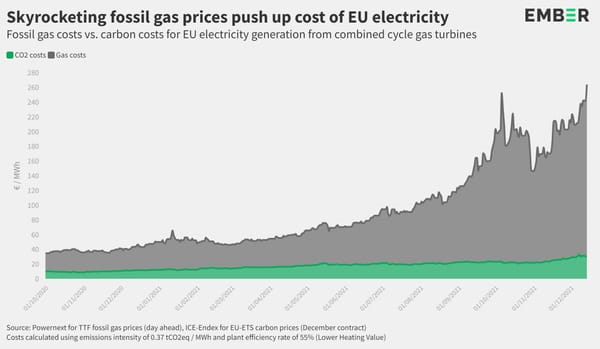
Critics of the EU carbon market contend that Europe’s policymakers are fools for indulging in such virtue signalling at a time when society, especially the poorest, are hurting under intense inflationary pressures. Regular readers will know that revenue from auctioned EU carbon allowances (EUAs) can be redirected by member